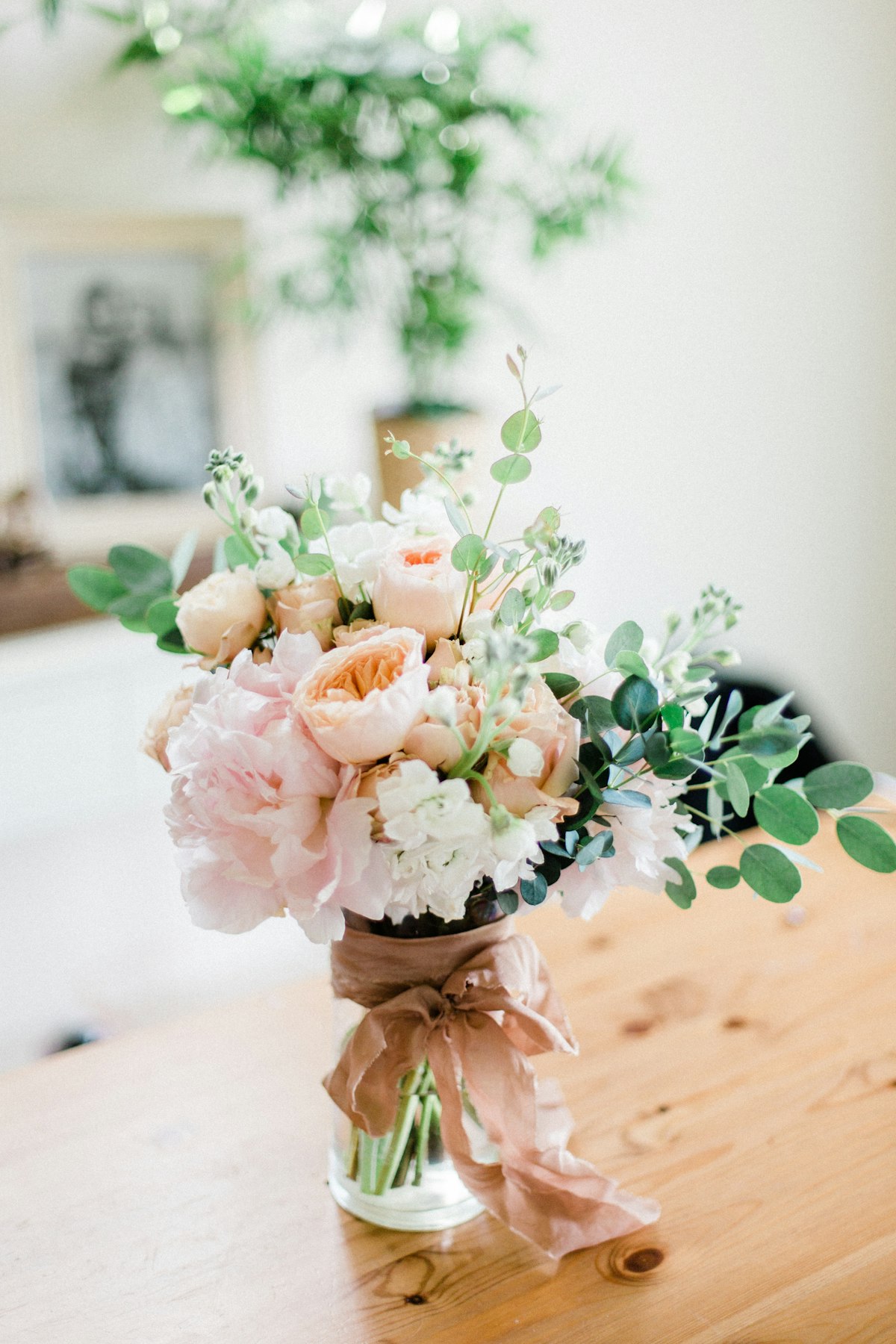
Why Salzburg Made Sense for Me
I attended Salzburg's weekend program before Vienna, not after. In early 2019, I was still testing whether floristry was a genuine calling or just an expensive hobby. Quitting my marketing job to find out felt reckless. Salzburg offered a middle path: serious training compressed into weekends over six months.
The train from Linz to Salzburg takes about an hour. Every other Friday after work, I would pack a small suitcase, catch the 17:43 train, and spend the weekend completely immersed in flowers. By Sunday evening, exhausted but inspired, I would return to my apartment full of arrangements I had made, wondering how I would keep them all alive until my next class.
Program Structure
The weekend intensive runs 12 sessions over six months, meeting every other weekend. Classes run Friday evening (18:00-21:00), all day Saturday (09:00-18:00), and Sunday morning (09:00-13:00). That is roughly 25 hours of instruction per weekend, totaling about 300 contact hours for the full program.
Salzburg emphasizes hands-on work over theory. Where Vienna spent weeks on botanical taxonomy, Salzburg spent an hour, then handed us flowers and said "now make something." Neither approach is wrong; they serve different learning styles and goals.
The Alpine Floristry Focus
What makes Salzburg unique is their emphasis on regional materials and traditions. One weekend in June, we drove 40 minutes into the mountains to forage. Instructor Monika, who grew up in a village near Hallstatt, taught us to identify edible flowers, sustainable harvesting practices, and which mountain blooms would last in arrangements.
We made arrangements using only what we collected: wild chamomile, alpine roses, forget-me-nots, various grasses and ferns. No importing Dutch tulips or Ecuadorian roses that weekend. Just what the land offered.
That experience shifted something in me. I started noticing flowers everywhere, not just in shops and gardens but growing wild along highways, in abandoned lots, in cracks in the sidewalk. Salzburg taught me to see abundance where I had previously seen nothing.
Key Curriculum Areas
- Fundamental Techniques: Hand-tied bouquets, foam arrangements, natural mechanics
- Alpine Traditions: Regional materials, sustainable foraging, traditional Austrian styles
- Seasonal Design: Adapting to what is actually available throughout the year
- Small-Scale Events: Centerpieces, personal flowers, intimate celebrations
- Business Basics: Pricing for part-time florists, building a side business
Class Size Advantage
Salzburg caps each cohort at 10 students. My group had 8. This meant personal attention that simply is not possible in larger programs. Monika knew each of our strengths and weaknesses by the third weekend and tailored feedback accordingly.
The Instructors
Monika Lechner founded the school in 2008 after decades running a family flower shop in Salzburg's Altstadt. She has this calm presence that makes everything feel possible, even when you have just destroyed your fourth attempt at a cascading bouquet.
Her approach is encouraging but honest. She once told me my color choices were "courageous but perhaps not wise," which is the most Austrian feedback imaginable. She was right. I still have that hideous orange-and-purple arrangement photographed somewhere as a reminder.
Guest instructors visit for specific weekends. A winemaker from the Wachau taught us about table arrangements for vineyard events. A beekeeper explained which flowers matter most for local pollinator populations. These connections added depth to what could have been purely technical training.
What I Made During the Program
Over six months, I completed roughly 45 individual projects. Not all were good. Some were genuinely embarrassing. But by the final weekend, I could create a professional-quality hand-tied bouquet in 20 minutes and a foam-based centerpiece in 30. Those skills directly translated to the small freelance jobs I started taking while still employed in marketing.
Standout Projects
- A winter arrangement using only materials from my neighborhood in Linz
- My first wedding consultation mock-up, which actually got me a real client
- A funeral tribute that made me cry while making it and confirmed this work matters
- An experimental piece using vegetables and fruit that should not have worked but did
Costs and Practical Details
The six-month weekend program cost €3,200 when I attended in 2019. Current pricing (as of 2025) is €3,800. Materials are included, which significantly simplifies budgeting. You leave each weekend with your arrangements, which I treated as gifts for friends and family who probably tired of receiving flowers from me.
Additional costs include accommodation in Salzburg for 12 weekends. I stayed at a pension near the train station for about €55 per night. Some students commuted from nearby towns. One woman drove from Innsbruck every other weekend, three hours each way, because she wanted this specific program.
Current Program Information
The Salzburg Flower Design School offers both the weekend intensive and shorter workshops throughout the year. Contact them directly for current dates and pricing. Regional tourism offices sometimes have information about local craft and artisan education options. Salzburg Tourist Information
Who This Program Serves Best
Salzburg is perfect for people testing the waters, career changers who cannot risk full-time study, and anyone who values intimate learning environments. It is not sufficient preparation for high-end wedding floristry or large-scale event design, at least not on its own.
For me, Salzburg was the confirmation I needed. By the fourth weekend, I knew I would pursue this seriously. By the final weekend, I had already applied to Vienna for the following year. But I also know students who completed Salzburg and that was enough for them. They do flowers for friends, sell at local markets, make their gardens more beautiful. Not everyone needs or wants a full professional pivot.
Best For:
- Working professionals exploring floristry as a potential career change
- Hobbyists wanting structured skill development
- People interested in regional and sustainable approaches
- Anyone who learns better through doing than theory
Consider Other Options If:
- You need comprehensive business training
- Wedding and large event floristry is your primary goal
- You want recognized certification for employment purposes
- Theory and botanical science interest you deeply
Salzburg remains one of my fondest educational experiences. The mountains visible from the classroom window, the smell of flowers mixed with autumn rain, the quiet satisfaction of finally getting a technique right. If you are considering this path, I am happy to answer questions about my experience there.