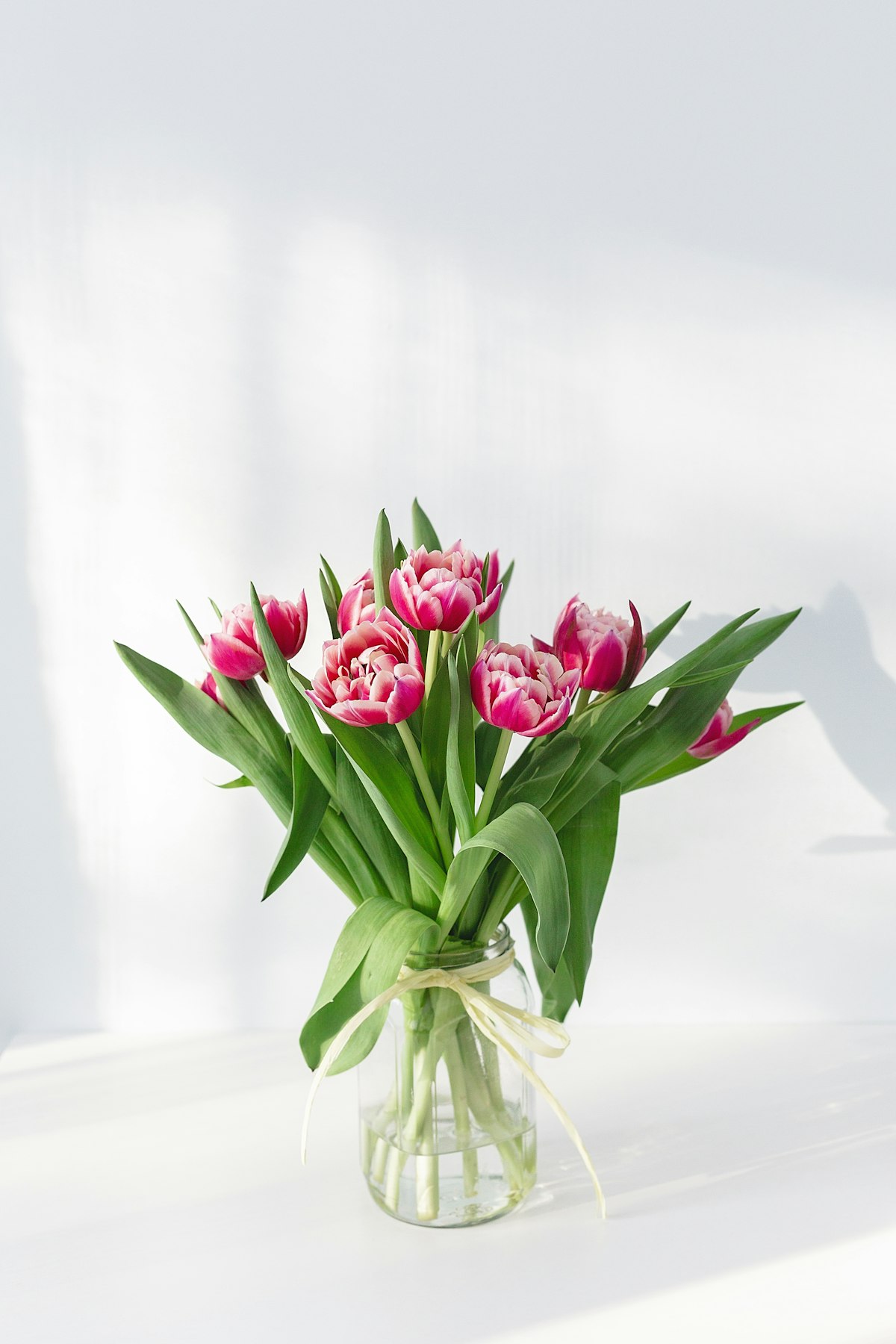
Why I Chose Vienna
I spent three months researching every floristry program in German-speaking Europe before applying to Vienna. The academy kept coming up in conversations with working florists I met at trade shows and markets. What convinced me was not their marketing materials, but talking to a woman named Katrin who had graduated five years earlier and now runs a successful studio in Graz.
She told me something I have repeated to dozens of people since: "Vienna does not just teach you to arrange flowers. They teach you to see them." That sounded pretentious at first, but after two years there, I understand exactly what she meant.
The Application Process
Applying was more rigorous than I expected. Beyond the standard portfolio submission, they required a 2,000-word essay on what floristry means to you personally. Mine was about my grandmother's garden in Steyr and how the smell of her peonies still makes me cry.
The interview happened over Zoom in January 2020, which felt strange but worked out because I was still working full-time in Linz. They asked practical questions about my experience but also philosophical ones about beauty, impermanence, and why I thought flowers mattered in a world with so many problems. I was honest: I said I did not have good answers yet, but that was why I wanted to study.
Acceptance rates hover around 40% for the full diploma program, based on conversations with admissions staff. They take about 25 students per year cohort.
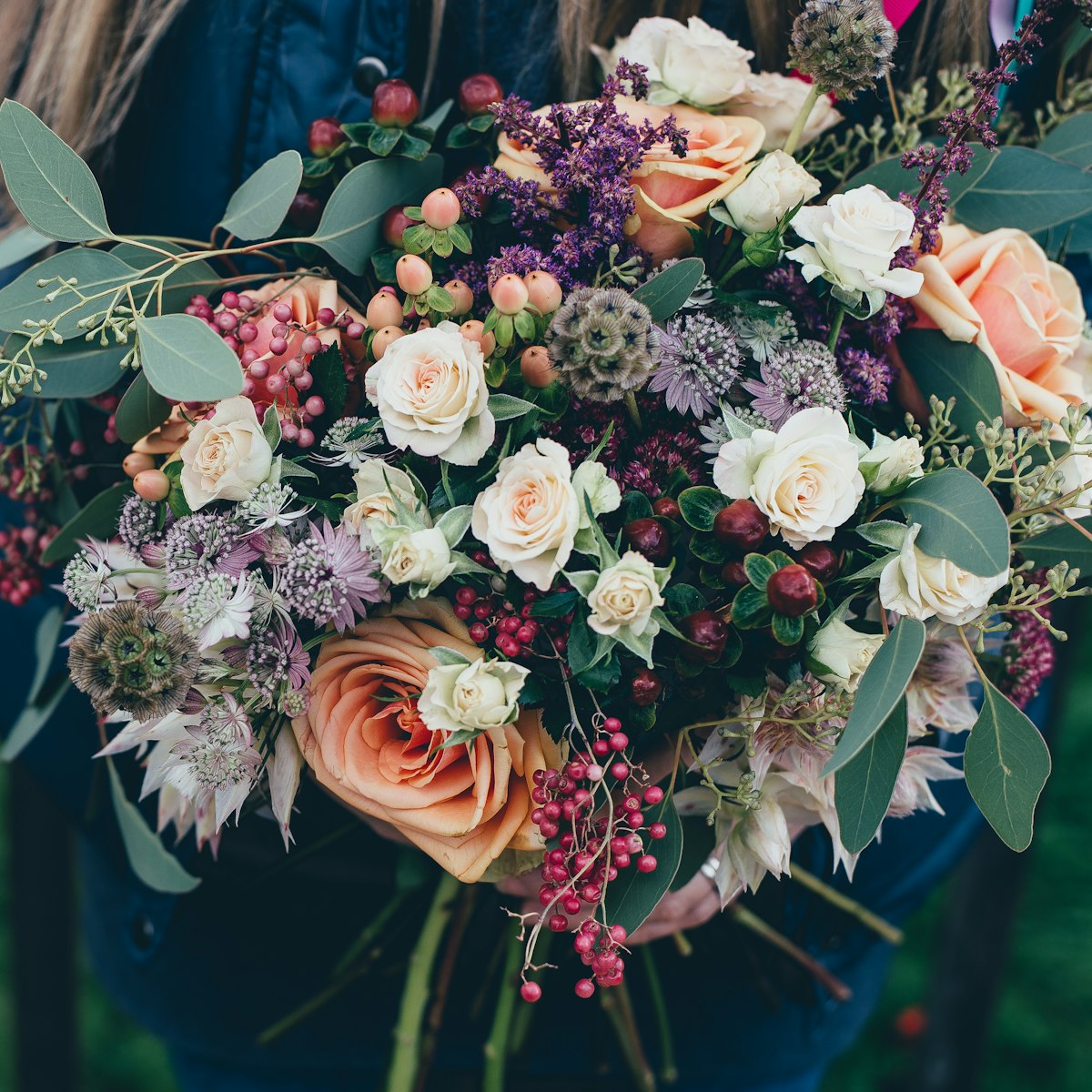
First Year: The Fundamentals
The first semester broke me down completely, in the best possible way. Everything I thought I knew about arranging flowers was wrong. My bouquets were messy, my color sense was underdeveloped, and I had no understanding of the geometry underlying great arrangements.
We spent the first six weeks just learning to condition flowers properly. Six weeks. I remember thinking it was excessive until our instructor, Herr Schwarz, showed us two identical rose arrangements side by side. One had been conditioned using traditional methods, the other his way. After three days, the difference was startling. His roses looked freshly cut. The others were dying.
Core First-Year Courses
- Botanical Fundamentals: Taxonomy, growth patterns, seasonal availability across European regions
- Classical European Design: Biedermeier, Flemish, English garden traditions
- Color Theory for Floristry: Not just theory but hands-on work with unexpected combinations
- Hand-Tied Techniques: The spiral method became second nature by December
- Business Foundations: Pricing, sourcing, client communication basics
What Surprised Me Most
The academy sources flowers directly from Dutch auctions and Austrian growers. We worked with the same quality materials that high-end studios use, which makes a huge difference when you are learning. Bad flowers teach bad habits.
Second Year: Specialization and Business
Year two was when everything clicked. We chose specialization tracks in semester three. I went with wedding and event floristry, though sustainable design and retail management were also options.
The wedding track meant working on actual events. We assisted at 12 weddings throughout the year, starting as helpers processing flowers at 4 AM and eventually leading small installation teams. My final wedding was a 150-person celebration at Schloss Hof where I was responsible for all table arrangements. I did not sleep for two days before. It was perfect.
The Instructors
Vienna's faculty includes some of the most respected names in European floristry. Herr Schwarz, who I mentioned earlier, worked at the Vienna State Opera for 15 years before teaching. Maria Hofmann literally wrote the book on Austrian wedding floristry, the one you find in every florist's studio.
But the best instructor was someone less famous: Elisabeth, who teaches the business courses. She ran her own studio for 20 years before burning out and transitioning to education. Her honesty about the difficult parts of this career, the long hours, the physical toll, the unpredictable income, prepared me better than any technical training could.
Costs and Financial Reality
Let me be direct about money because nobody was with me. The two-year diploma cost €18,500 when I attended (2020-2022). That does not include materials, which ran another €200-300 per month, or living expenses in Vienna.
I took out a student loan and worked part-time at a flower shop in the 7th district. It was exhausting but necessary. Some classmates had savings or family support; I did not. The academy offers limited scholarships, usually €2,000-3,000, awarded based on portfolio strength and financial need.
Was it worth it? For me, absolutely. My income tripled within 18 months of graduating. But I know people who attended prestigious programs and still struggle. The education opens doors; you still have to walk through them.
Current Tuition (2025)
The academy's website lists current two-year diploma tuition at €21,000. Certificate programs run €4,500-8,000 depending on duration. Always check directly with admissions for the most current pricing. WIFI Austria Floristry Programs
Job Placement and What Comes After
The academy's career services are strong. They maintain relationships with studios across Austria, Germany, and Switzerland. About 70% of my cohort had job offers before graduation.
I chose to start my own studio instead, which the business training made possible. The academy also has an alumni network that has been invaluable. When I needed to source specific peonies for a wedding last spring, an alumna in the Netherlands connected me with her grower. That kind of network matters more than you expect.
Who Should Apply
Vienna is right for you if you want comprehensive training, can commit two years full-time, and have the financial resources or willingness to take on debt. It is not right if you want quick certification or prefer learning by doing without theoretical foundations.
If you are older, like I was at 29, do not let that discourage you. My cohort included people from 19 to 52. The 52-year-old had been a corporate lawyer for 25 years and is now one of the most creative florists I know.
My Recommendations
- Visit during their open house days, usually in March and October
- Talk to current students, not just admissions staff
- Be honest in your application about your experience level
- Have a realistic budget that includes living expenses
- Consider the certificate program first if unsure about commitment
If you have specific questions about the Vienna Floristry Academy, feel free to reach out. I am happy to share more details that might not fit in a public article.